How To Choose The Right Curtain Fabric For Heat, Glare, And Privacy

TT Shutters & Shading • April 14, 2026

Living in Ballina means plenty of natural light, coastal breezes and warm afternoons. It’s part of what makes homes here feel open and relaxed. But when that sunlight turns into heat and glare, or your living room feels a little too exposed, the right curtains can completely change the space. Choosing curtain fabric isn’t just about colour or style. It’s about how your home feels throughout the day. Too light, and you might struggle with privacy. Too heavy, and you lose that bright, airy feel.


If you’re exploring curtains homeowners are installing today, it comes down to finding the right balance between comfort, light control and privacy.

Why Fabric Choice Matters More in Coastal Homes

Ballina’s climate plays a big role in how curtains perform. Strong sun, humidity and reflective glare from nearby surfaces can all impact your home.


The wrong fabric can lead to:


  • Rooms overheating in the afternoon
  • Harsh glare on screens and surfaces
  • Reduced privacy in open-plan spaces


The right fabric helps regulate light and temperature while still keeping your home comfortable and usable.

Understanding the Main Curtain Fabric Types

Not all curtain fabrics perform the same way. Each type is designed to handle light, heat and privacy differently.


The three main options to consider are:


  • Sheer curtains
  • Light-filtering fabrics
  • Blockout curtains


Choosing the right one depends on how you use the room and how much control you want.

Sheer Curtains: Soft Light and Daytime Privacy

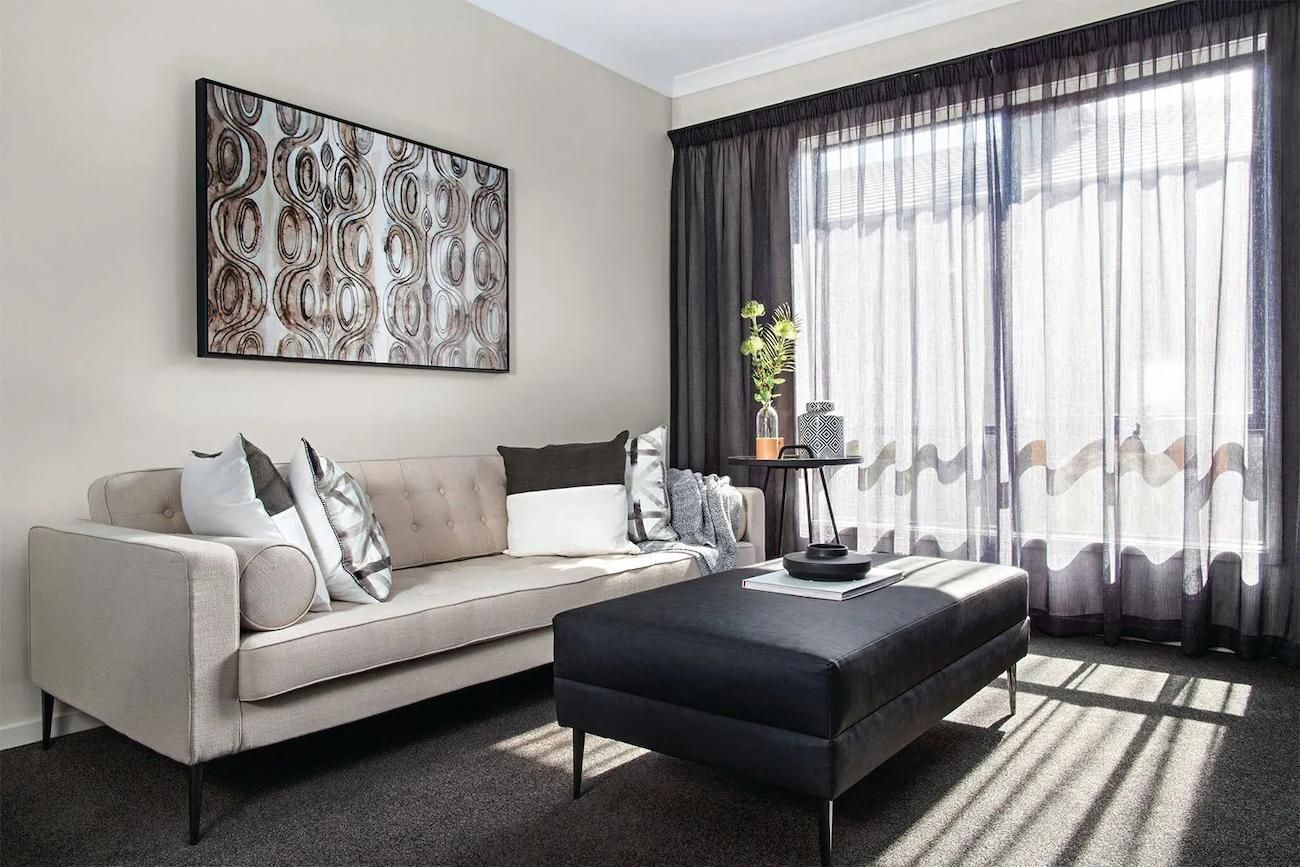
Sheer curtains are perfect for creating a light, open feel. They allow sunlight to flow through while softening it, reducing harsh glare.


They work well in:


  • Living rooms
  • Open-plan spaces
  • Areas with outdoor views


Sheers provide a level of daytime privacy by diffusing visibility from outside, while still letting you enjoy natural light. However, at night, when lights are on inside, visibility can increase. That’s why they’re often paired with heavier curtains.

Blockout Curtains: Full Control When You Need It

Blockout curtains are designed to block light almost completely. They’re ideal for managing heat and ensuring privacy.


They’re commonly used in:


  • Bedrooms
  • Media rooms
  • Street-facing areas


Benefits of blockout curtains include:


  • Reducing heat from direct sunlight
  • Minimising glare during the day
  • Providing full privacy at night


In Ballina, where afternoon sun can be intense, blockout fabrics are especially useful for west-facing rooms.

Light-Filtering Fabrics: The Middle Ground

Light-filtering curtains sit between sheer and blockout options. They allow natural light to enter while reducing brightness and limiting visibility from outside.


These fabrics are a good choice for:


  • Kitchens and dining areas
  • Spaces where you want light without full exposure
  • Rooms that don’t require complete darkness


They offer a balanced solution, maintaining brightness while improving comfort.

Managing Heat in Ballina Homes

Heat control is one of the biggest reasons people upgrade their curtains. Sunlight streaming through windows can quickly warm up a room, especially during summer.


To reduce heat, consider:


  • Thicker fabrics that block or absorb sunlight
  • Layered curtain systems for flexibility
  • Properly fitted curtains that minimise gaps


Blockout curtains are particularly effective for reducing heat gain, helping keep indoor spaces cooler throughout the day.

Reducing Glare Without Losing Light

Glare can make a room uncomfortable, especially when it reflects off floors, screens or furniture. Instead of blocking all light, the goal is to soften it.


Sheer and light-filtering fabrics help:


  • Diffuse direct sunlight
  • Reduce harsh reflections
  • Maintain a comfortable brightness


This is especially useful in living areas where you want natural light but not the intensity that comes with it.

Privacy: Day vs Night Considerations

Privacy changes depending on the time of day. During daylight hours, sheer and light-filtering curtains can provide enough privacy by limiting visibility from outside. At night, however, the situation reverses. Interior lighting makes it easier to see inside. To manage both, layering is key.


A practical setup includes:


  • Sheer curtains for daytime use
  • Blockout curtains for evening privacy


This gives you control over your space at all times.

The Benefits of Layering Curtains

Layering is one of the most effective ways to get the best of all worlds. Instead of relying on one type of fabric, you combine different layers to suit changing conditions.


A layered curtain setup allows you to:


  • Adjust light levels throughout the day
  • Control heat and glare more effectively
  • Maintain privacy when needed
  • Create a more finished, styled look


In Ballina homes, where light conditions shift quickly, this flexibility makes a noticeable difference.

Matching Curtains to Each Room

Different rooms have different needs. What works in a bedroom won’t always suit a living space.


Consider how each room is used:


  • Bedrooms benefit from blockout curtains for sleep and privacy
  • Living areas suit sheer or light-filtering fabrics
  • Street-facing rooms may need layered solutions
  • West-facing windows often require stronger light control


Choosing fabric based on function ensures your curtains perform as well as they look.

Why Professional Advice Makes It Easier

With so many options available, it’s easy to feel unsure about what will work best.


A professional can help you:


  • Assess your home’s light exposure
  • Recommend suitable fabric combinations
  • Ensure proper fit and installation
  • Tailor solutions to your space


This takes the guesswork out of the process and helps you get a result that actually works day to day.

Curtains from TT Shutters & Shading

Choosing the right curtain fabric is about more than appearance. It’s about creating a space that feels comfortable, private and easy to live in. By understanding how sheer curtains, light-filtering fabrics and blockout curtains perform, you can design a solution that works with Ballina’s climate instead of against it. If you’re looking for tailored curtains in Ballina, the team at TT Shutters & Shading can guide you through the options and help you find the right fit for your home.


Explore curtain options and get expert advice. With the right fabric and setup, you can enjoy natural light, reduce heat and maintain privacy, all without compromising how your home feels.
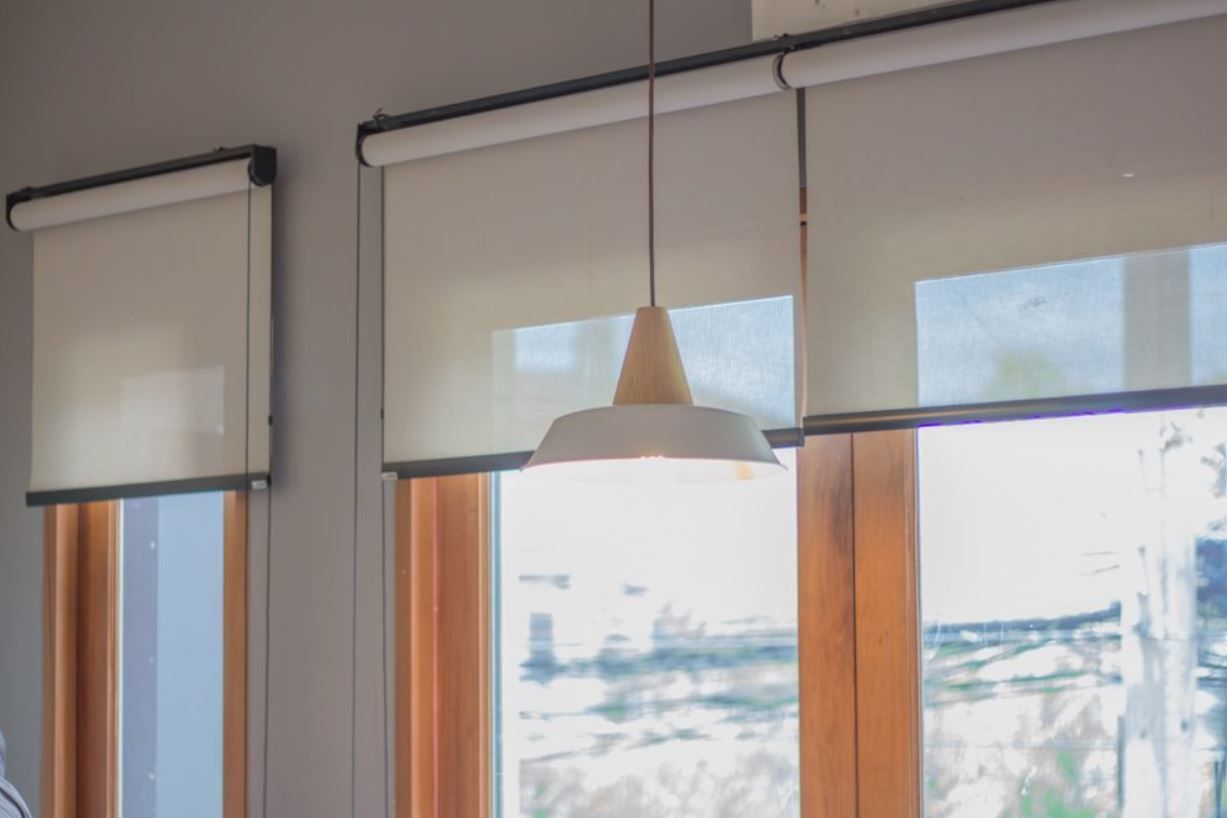
Modern Dining Room Overlooking Coast With Roller Blinds
By TT Shutters & Shading April 13, 2026
Discover how to choose blinds in Ballina that balance privacy and natural light, with options suited to coastal homes and different room needs.
By TT Shutters & Shading March 18, 2026
A single curtain can soften a window. Two layers can transform the entire room. When fabrics, textures and light control work together, window coverings move beyond decoration and become part of the way a space functions each day. Many homeowners first encounter the idea while searching for curtains in Ballina. They notice living rooms where light filters gently during the day, yet disappears completely at night. Bedrooms feel calm, insulated and private. The secret is not always the fabric itself but how those fabrics are layered. Layering curtains creates flexibility. Sheers soften daylight. Blockout curtains control privacy and temperature. Blinds can provide an additional layer of light management. When combined thoughtfully, these elements create a window treatment that adapts throughout the day. Understanding how to layer curtains allows homeowners to balance visual style with practical comfort. The right combination of fabrics, hardware and installation ensures the window treatment performs as well as it looks. Start With The Base Layer: Blinds That Control Light And Privacy Layered window treatments often begin with a practical base layer. Blinds provide precise control over light and privacy while remaining compact against the window frame. Curtains then add softness and visual depth. Many homeowners use blinds beneath curtains to manage daylight without opening or closing the entire curtain set. This approach allows subtle adjustments throughout the day. It also creates a cleaner, more versatile window solution. Roller blinds for streamlined light control Plantation shutters for adjustable airflow Light-filtering blinds for daytime privacy Blockout blinds for bedroom darkness Custom-fitted blinds for accurate coverage Starting with a functional base layer improves flexibility. When exploring how to layer curtains, blinds often provide the structural foundation that supports both comfort and design. Sheer Curtains: The Layer That Softens A Room Sheer curtains introduce softness and movement into a space. They filter daylight rather than blocking it entirely. The result is a gentle glow that reduces glare while maintaining openness. This layer plays a visual role as well as a functional one. Sheer fabrics soften architectural lines and create an inviting atmosphere. When paired with blinds or heavier curtains, they help balance brightness and privacy. Light-diffusing fabrics that reduce glare Subtle textures that add visual depth Floor-length sheers that elongate windows Neutral tones that complement most interiors Lightweight fabrics that move naturally Many homeowners exploring curtains in Ballina begin with sheer layers before adding heavier curtains. This approach allows the room to remain bright while still providing coverage when required. Blockout Curtains For Comfort And Light Control Blockout curtains form the protective layer of a window treatment. They prevent light intrusion, improve insulation and enhance privacy after dark. When combined with sheers, they create a versatile system. Bedrooms benefit particularly from this layered structure. The outer curtain can block early morning light while the sheer layer remains decorative during the day. This balance between comfort and appearance defines effective layering curtains. Thick fabrics that block external light Thermal backing that improves insulation Privacy protection after sunset Noise reduction from heavier materials Greater temperature stability in bedrooms Blockout curtains ensure the window treatment performs beyond aesthetics. They allow layered curtains to deliver real comfort improvements within the home. Choosing Fabrics That Work Together Layering succeeds when fabrics complement each other rather than compete. Texture, weight and colour all influence how the finished window looks. Pairing fabrics carefully creates cohesion. Light sheers often contrast with heavier outer curtains. The difference in texture introduces depth without overwhelming the room. Selecting compatible materials is an important step when learning how to layer curtains effectively. Lightweight sheers paired with dense outer fabrics Complementary colours rather than identical tones Subtle textures that avoid visual clutter Fabric durability suited to room conditions Easy-care materials for everyday practicality A balanced pairing ensures layered curtains remain visually calm. Fabric selection shapes both comfort and the overall atmosphere of the room. Curtain Tracks And Hardware That Make Layering Possible Layered curtains rely on the right hardware. Double tracks allow two curtain layers to move independently. Without proper support systems, layered fabrics can become difficult to operate. Professional curtain installation ensures that tracks are aligned, secure and capable of supporting heavier fabrics. Hardware selection influences how smoothly the curtains open and close. Double curtain tracks for layered systems Smooth runners that prevent snagging Strong mounting brackets for stability Ceiling-mounted tracks for modern styling Correct spacing between curtain layers Reliable hardware allows each layer to function independently. This mechanical detail plays a quiet but critical role in successful layering curtains. Colour And Texture: Creating Balance In Layered Window Treatments Colour choices influence how layered curtains feel within a room. Soft neutrals can calm the space. Deeper tones can frame windows and add contrast. Texture also affects how light interacts with the fabric. Combining textures creates visual interest without clutter. Smooth sheers paired with textured outer curtains often provide the most balanced effect. Neutral sheers for adaptable styling Textured outer curtains for depth Soft colour contrasts for visual layering Fabrics that complement wall tones Subtle patterns used sparingly Thoughtful colour and texture choices help layered curtains feel intentional rather than busy. The goal is harmony between the window treatment and the rest of the room. Layering Curtains In Different Rooms Of The Home Different rooms benefit from different layering strategies. Living areas prioritise daylight control and atmosphere. Bedrooms often focus on privacy and darkness. Each space calls for its own balance. Understanding these variations helps homeowners apply layering curtains across the entire home without repeating the exact same solution everywhere. Living rooms using sheers with decorative curtains Bedrooms combining sheers and blockouts Media rooms prioritising light control Home offices balancing glare and visibility Large windows using extended curtain tracks Tailoring layered curtains to each room ensures the system remains practical. The same principles apply, but the emphasis shifts depending on the space. Professional Installation Makes The Difference Layered curtains require careful measurement and positioning. Tracks must align with window dimensions and ceiling height. Fabric lengths must fall correctly to achieve the intended look. Professional installation ensures both layers move smoothly and maintain their shape. Accurate measurement prevents gaps, bunching or uneven draping. Precise window measurement Correct track placement for layering Balanced curtain drop length Smooth operation of both layers Secure installation for long-term use When installed correctly, layered curtains operate effortlessly. Professional guidance often makes the difference between a functional design and a frustrating one. Here at TT Shutters & Shading, we supply and install curtains in Ballina designed to balance comfort, light control and visual style. Our team helps homeowners understand how to layer curtains effectively so each window treatment works smoothly throughout the day.
By TT Shutters & Shading March 18, 2026
Sunlight brings warmth and natural light into a property, but over time it can also cause significant damage. Fading upholstery, warped timber flooring and discoloured outdoor furniture are often the result of prolonged exposure to UV rays and heat. For property owners looking to protect their investment, well designed awnings in Ballina offer more than shade. They provide a practical barrier that helps preserve both indoor and outdoor spaces. For homes and commercial premises alike, managing sun exposure is essential in coastal regions where strong sunlight and high UV levels are part of everyday life. Installing quality awnings is a proactive step toward extending the life of furnishings, flooring and décor. The Hidden Cost of Sun Exposure Many people underestimate how quickly sun damage can occur. Even filtered light through glass can contribute to fading and material breakdown over time. Extended UV exposure can lead to: Faded sofas, rugs and curtains Discolouration of timber and laminate flooring Cracking or warping of outdoor furniture Deterioration of exterior finishes In regions like Ballina, where properties experience long hours of bright sunlight, the impact can be more pronounced. Investing in professionally installed awnings in Ballina helps reduce direct sunlight entering living areas and outdoor entertaining spaces. How UV Rays Affect Interior Furnishings Ultraviolet radiation penetrates windows and gradually breaks down fibres and finishes. Timber floors may lighten unevenly, leaving visible lines where rugs once sat. Upholstery can lose vibrancy, and leather surfaces may dry and crack. While window treatments provide some protection, exterior shading solutions such as awnings intercept sunlight before it reaches the glass. This reduces heat transfer and minimises UV penetration. Quality awnings in Ballina act as the first line of defence, limiting exposure at the source rather than attempting to manage damage after it occurs. Protecting Outdoor Furniture and Entertaining Areas Outdoor living is a significant part of the Ballina lifestyle. Decks, patios and alfresco areas are designed to be enjoyed year round. However, without adequate shading, outdoor furniture can deteriorate quickly. Direct sun can cause: Fading cushions and fabrics Brittle plastic components Warped timber tabletops Surface cracking on composite materials Installing durable awnings in Ballina creates a controlled environment that shields outdoor settings from excessive heat and radiation. This not only protects furniture but also makes entertaining spaces more comfortable. Reducing Heat Build-Up Inside the Property Sun exposure does not only affect furniture. Excessive heat entering through windows increases indoor temperatures, placing strain on cooling systems. Well positioned awnings in Ballina help by: Blocking direct sunlight before it reaches windows Reducing glare in living and workspaces Lowering reliance on air conditioning Supporting more consistent indoor temperatures By reducing heat gain, awnings contribute to a more stable internal environment. This indirectly protects flooring adhesives, cabinetry finishes and other materials that can be affected by temperature fluctuations. Why Exterior Shading Is More Effective Than Interior Solutions Interior blinds and curtains can soften light, but they do not stop solar heat from entering the building envelope. Once sunlight passes through glass, much of the heat remains inside. Exterior shading systems intercept sunlight before it penetrates the window, making them significantly more effective for thermal and UV control. Modern awnings in Ballina , particularly advanced systems such as Zipscreen designs, provide a streamlined and durable solution that integrates with the building façade while offering high performance protection. Zipscreen Awnings for Targeted Protection Zipscreen awning installations are designed to provide controlled shading without compromising airflow or visibility. These systems are engineered to handle Australian weather conditions, including strong sun and coastal influences. Benefits include: Tensioned fabric for a secure fit Smooth operation for adjustable shading Durable materials suited to harsh environments Custom sizing for various window and patio configurations When professionally installed, Zipscreen systems create an effective barrier that reduces UV exposure while maintaining a modern aesthetic. Preserving Flooring and Interior Finishes Timber, vinyl and laminate flooring are significant investments. Over time, constant sun exposure can cause uneven fading and expansion. Strategically installed awnings in Ballina help: Minimise direct sunlight on flooring Reduce surface temperature fluctuations Protect finishes from premature wear This is particularly important in commercial settings where large glass windows are common. Offices, cafés and retail stores can all benefit from reducing sun-related wear on interior surfaces. Supporting Commercial Property Protection For commercial property owners, presentation and durability go hand in hand. Faded seating, damaged flooring and overheated interiors can affect customer experience and maintenance costs. Installing quality awnings in Ballina provides: Improved comfort for customers and staff Protection of interior displays and furnishings Enhanced street presence Reduced long term refurbishment expenses Awnings are not simply an aesthetic addition. They are a practical investment in asset protection. Designed for Australian Conditions Ballina’s coastal environment requires shading systems that can withstand sun, salt air and varying weather patterns. Inferior materials may fade, corrode or lose tension over time. TT Shutters & Shading offers a wide range of durable shading solutions suited to Australian conditions. With the rebrand from Timber Tec to TT Shutters & Shading and the transition to the new domain ttshutters.com.au, the focus remains on delivering quality products built to last. Professionally installed awnings in Ballina should combine: UV resistant fabrics Corrosion resistant hardware Smooth and reliable operation Custom fitting to suit the property Extending the Life of Your Investment Furniture, flooring and décor represent substantial financial investment. Replacing faded lounge suites or refinishing sun damaged timber floors can be costly. By installing high quality awnings in Ballina, property owners take a preventative approach. Rather than reacting to sun damage after it occurs, awnings proactively reduce exposure and support long term preservation. Whether for residential homes or commercial properties, shading systems provide measurable protection while enhancing comfort and functionality.  A Practical and Stylish Solution Modern awnings are designed to complement architectural styles rather than detract from them. Sleek lines, neutral fabric options and discreet hardware ensure they integrate seamlessly into both contemporary and traditional properties. Zipscreen awnings solutions combine durability with refined design, making them suitable for a wide range of applications.
More Posts