How To Choose The Right Colour For Your Blinds
Choosing blind colours is about more than finding a shade you like. The colour of your window blinds can affect how bright a room feels, how strongly the blinds stand out against your walls and how easily fading or marks are noticed.
Before deciding, consider the room’s existing palette, natural light and the type of blind you are installing. For homes around Ballina, the Far North Coast and Gold Coast, strong sunlight and coastal conditions are also worth factoring into the choice.
1. Keep Colours Consistent Through Connected Spaces
You do not have to use the same blinds in every room, but some consistency can help adjoining spaces feel connected.
In open-plan areas, related tones can create a smoother transition from one space to another. Separate bedrooms and offices give you more freedom to choose colours that suit the room individually.
If you are still deciding on the window covering itself, this guide to choosing the right blinds for your home can help narrow down the style first.
2. Think About Natural Light
Light can make the same fabric look very different throughout the day.
Pale blind colours can help a room feel lighter and more open, while darker shades can create contrast and make the window treatment more noticeable. Strong sunlight may also make some colours appear lighter than expected.
Whenever possible, view fabric or material samples in the room itself rather than choosing from a screen alone. Check them in both direct and indirect daylight so you can see how the colour works in the actual space.
3. Decide Whether the Blinds Should Blend In or Stand Out
If you want the blinds to sit quietly within the room, choose a shade close to the walls, window trim or other large surfaces. White, off-white, beige, grey and similar neutrals are easy to coordinate.
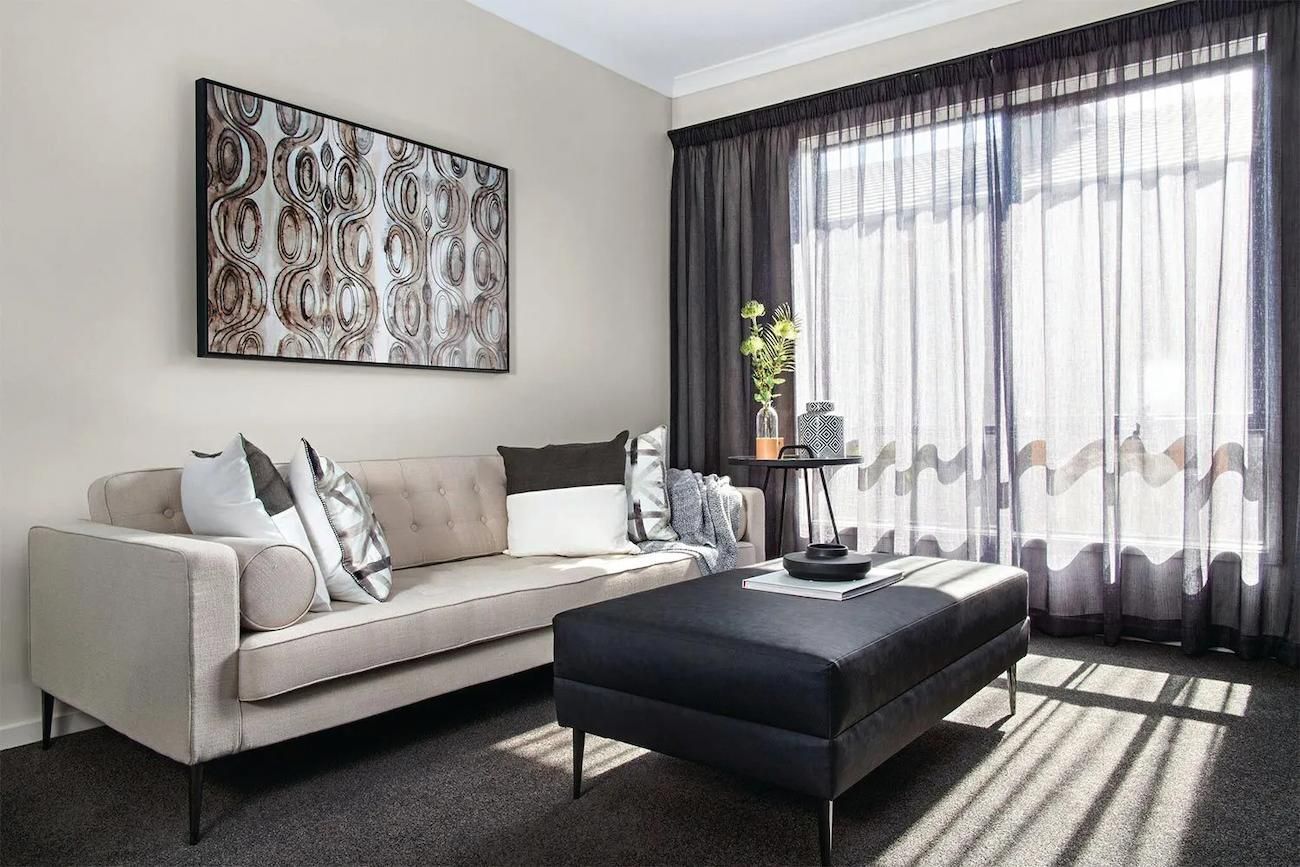
For more contrast, choose a shade that separates the blind from the wall. A darker blind against pale walls, for example, can frame the window and create a stronger design feature.
Bold colours can work too, particularly when they connect with another element already used in the room.
4. Coordinate With Walls and Window Trim
Matching your blinds to the window trim is one of the simplest ways to create a cohesive finish.
If your moulding and trim are white or off-white, a similar shade can help the blinds blend into the window. Choosing a tone close to the wall colour creates a softer look, while going slightly lighter or darker adds definition without creating too much contrast.
If you are updating exterior shading as well, these tips on choosing the right colour for your awning can help coordinate the overall palette.
5. Choose Colour to Suit the Blind Type
Different blind styles present colour differently.
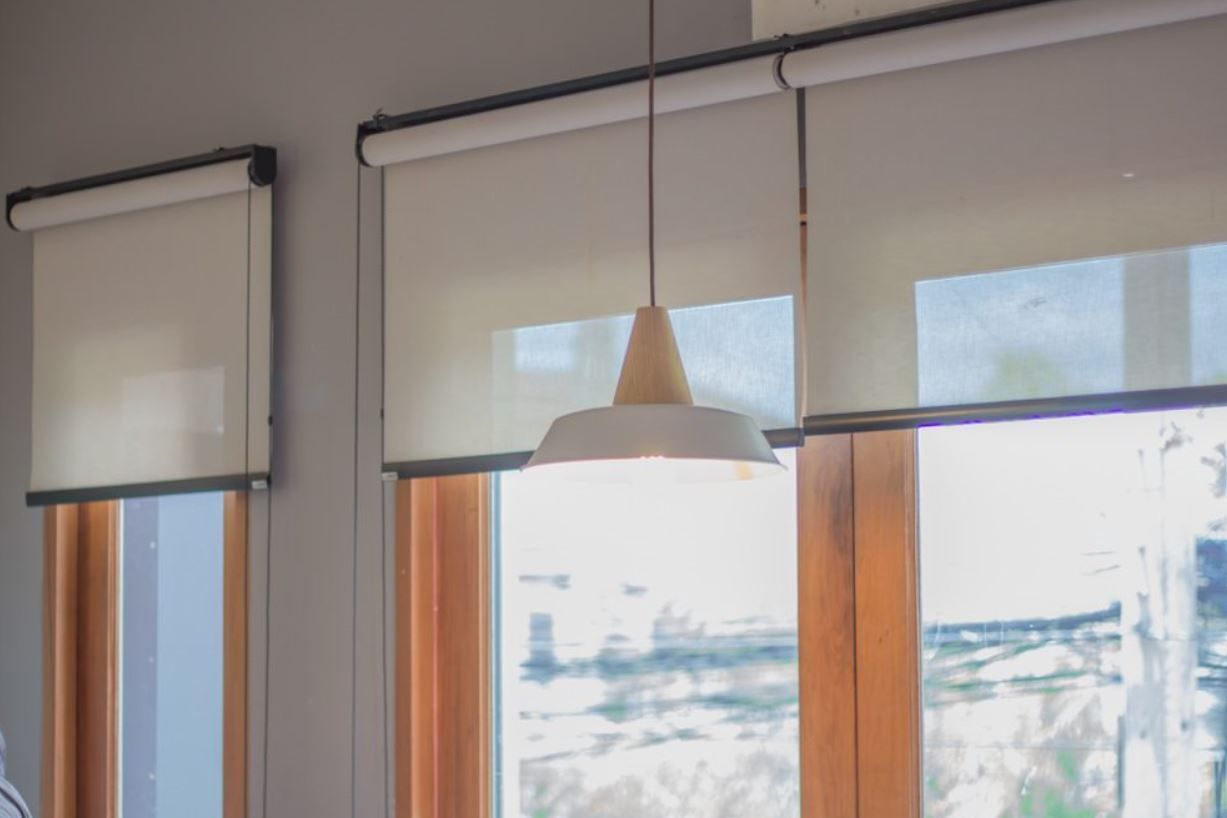
Roller blinds create a broad, flat surface when closed, so the chosen fabric can have a strong impact on the room. Neutral shades are easy to coordinate, while textured fabrics add interest without relying on bold colour.
With venetian blinds, colour works with the finish of the slats. Timber-look and natural tones add warmth, while white and grey finishes create a cleaner contemporary look.
Honeycomb blinds have a softer fabric appearance. If heat control is important, remember that their cellular construction and fabric specification matter more than colour alone.
Large panel glide blinds cover a significant visual area, so neutral or tonal fabrics can work particularly well across wide doors and windows.
Motorised blinds are available across suitable blind styles, so colour choice still comes back to the fabric, finish and how the blind will sit within the room. Motorisation changes how the blind operates rather than limiting the colour options.
6. Consider Heat, Glare and Fading
Colour can influence how a blind looks and responds to strong sunlight, but it should not be considered on its own.
Lighter shades generally reflect more visible light and help maintain a bright appearance. Darker fabrics may absorb more heat, although the blind type, fabric construction and backing have a greater effect on thermal performance.
Strong sunlight can also fade some colours over time. Dark or highly saturated shades may make fading more noticeable on windows that receive prolonged direct sun.
For bright coastal homes, compare colour alongside the blind’s blockout, light-filtering or sunscreen properties.
Quality window furnishings can offer benefits beyond appearance; see the benefits of ordering quality custom blinds.
7. Think About Privacy and Outward Visibility
Colour is only one part of privacy. Sunscreen blinds can allow some outward visibility during daylight while making it harder to see into the room from outside. This effect depends on the difference between indoor and outdoor light levels.
At night, when lights are on inside, the privacy effect can reverse. If privacy is important throughout the day and night, fabric type and opacity matter more than colour alone.
Find a Colour That Works in Your Home
There is no single best blind colour for every room. The right choice depends on your interior, natural light, blind style and whether you want the window treatment to blend in or stand out.
TT Shutters & Shading supplies blinds across Ballina, the Far North Coast and the Gold Coast. We offer a free measure and quote so you can compare fabrics and finishes in the room where they will actually be installed.
If you are still comparing different window furnishings, our guide to shutters, blinds vs curtains can help you weigh up the options. If you are also considering shutters, see our guide to shutter styles for your home.
Get in touch to arrange a measure and quote.
Frequently Asked Questions
What is the best colour for blinds?
There is no single best option. Neutral shades such as white, cream, beige and grey are versatile, while darker or bolder colours can create contrast. Consider your walls, flooring, window trim and natural light before deciding, and view samples in the room itself where possible.
Should blinds be lighter or darker than the walls?
Either can work. A similar shade creates a softer, more seamless look, while blinds that are noticeably lighter or darker add definition around the window. The best choice depends on whether you want the blinds to blend into the room or become more of a feature.
Do dark blinds make a room hotter?
Dark colours can absorb more heat than pale colours, but thermal performance also depends on fabric construction, backing, fit and blind type. If reducing heat is a priority, compare the performance of the complete blind rather than choosing solely by colour.
What blind colours are best for coastal homes?
Warm whites, sandy tones, greys and natural finishes can work well in coastal interiors, but the right choice should still suit the individual home. In rooms exposed to strong sunlight, also consider fading, fabric type and whether you need blockout, light-filtering or sunscreen performance as well as a particular colour.
Is there a blind I can see out of but people can't see in?
Sunscreen blinds can provide outward visibility and greater daytime privacy when it is brighter outside than inside. They do not provide the same privacy at night, so a blockout blind or layered window covering may be more suitable where nighttime privacy is important.