Curtain Types Explained: How To Pick The Best Style For Each Room
Choosing curtains in Ballina is more than picking a pretty fabric. The right heading, lining and drop can change how a room feels, how well it insulates and how much light you can control. If you have been searching different types of curtains or how to choose curtains, this guide walks through the main styles, where they work best and the details that lift performance for years.
Start With Function, Then Style
Before colours and prints, decide what the room needs most: light control, privacy, thermal comfort or acoustic calm. Everything else flows from that. Bedrooms usually need darkness and quieter mornings. Living areas need glare control without killing the view. Street facing rooms need daytime privacy with a soft finish. Once you name the job, heading styles, fabrics and linings become easier choices.
The Core Curtain Heading Styles
Different headings hang and move in distinct ways. Here’s what to expect in daily use.
- S-Fold/Wave: clean, modern lines that skim across tracks with minimal stack. Great where space is tight or you want a hotel calm look
- Pencil pleat: soft gathers with a traditional feel. Flexible on track or rod and forgiving on less than perfect walls
- Pinch pleat (double or triple): tailored folds that hold shape and look luxurious. The triple pleat is dressy, the double feels a touch lighter
- Eyelet: metal rings slide over a rod. Simple, affordable and quick to fit, though less suited to blackout perfection
- Box pleat: crisp structure with deep folds. Suits formal rooms and tall ceilings
If you want timeless with easy stacking and reliable hang, S-Fold or a neat double pinch pleat are safe picks.
Fabric Choices That Work In Real Homes
Fabric weight and weave decide how a curtain drapes, blocks light and handles Ballina’s coastal air.
- Sheers: filter light and soften views. Ideal for daytime privacy in living spaces
- Light filtering: block glare while keeping rooms bright. Good for multi use spaces
- Blockout: stop light and add insulation. Best in bedrooms and media rooms
- Natural fibres: linen and cotton feel beautiful but can move with humidity. Blend with man made fibres if you want less creasing
- Performance weaves: modern polyester blends hang smoothly, resist fading and suit salty air near the coast
Ask about fade resistance and shrinkage expectations so you know how the fabric will behave over seasons.
Lining: The Hidden Performance Booster
Lining improves light control, insulation and fabric life. In Ballina’s sun and humidity, it is often the difference between curtains that look fresh after five summers and curtains that tire quickly.
- Blockout lining: maximises darkness and heat reduction
- Thermal lining: helps keep winter warmth in and summer heat out
- Dim-out lining: softens light without full darkness
- Interlining: an extra layer that adds body to lighter fabrics and improves acoustic feel
A sheer over a separate blockout curtain is a flexible two layer setup that many homes love.
Room-By-Room Picks
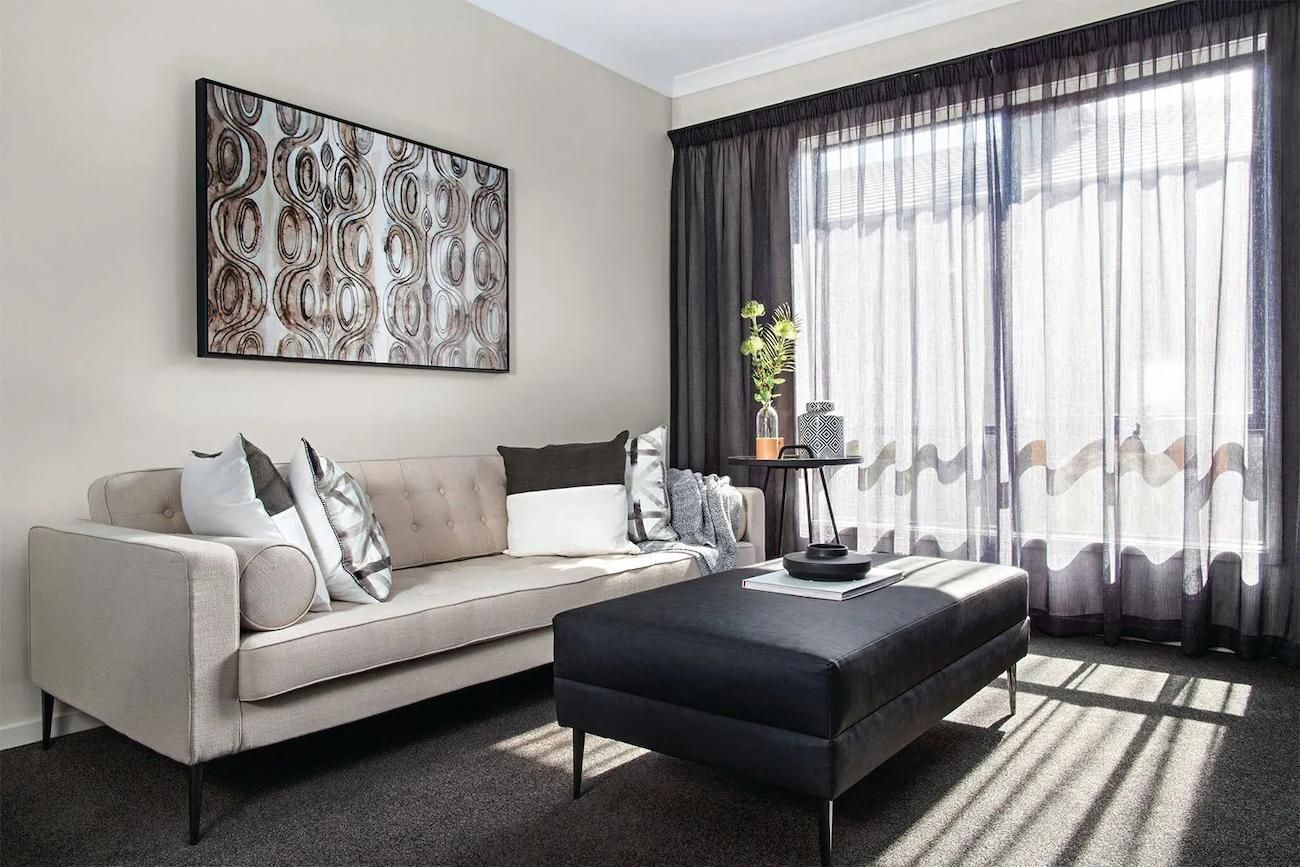
Living Rooms: Aim for glare control and daytime privacy while keeping views. Sheers on an S-Fold track work well, often paired with a separate blockout curtain for night. If the TV faces windows, ask for a dim-out fabric that cuts reflection.
Bedrooms: Sleep needs darkness and quiet. A lined pinch pleat or S-Fold blockout curtain seals light around edges better than eyelets. Add a pelmet if you want maximum darkness. For kids, choose easy clean, fade resistant fabrics.
Kitchens & Meals: Moisture, spills and traffic call for durable, washable fabrics. If curtains frame a slider, low friction tracks and a practical drop help them glide around furniture. Consider pairing with a blind for day use, then close curtains for warmth at night.
Media Rooms: Acoustic comfort matters. Heavier fabrics with interlining dampen echo and improve sound. A full height blockout curtain also helps seal stray light from door frames.
Home Offices: Light filtering fabrics reduce screen glare without turning the room into a cave. If the street outlook matters, a sheer layer adds privacy while you work.
Tracks, Rods & Fixings
Hardware decides how smoothly curtains run and how tidy they look.
- Tracks: slim, discrete and ideal for S-Fold or pinch pleat. Choose quality rollers for daily use
- Rods: visible feature in the room. Pair with eyelets or rings on pinch pleats
- Ceiling fix vs face fix: ceiling fix lifts the eye and improves light block. Face fix is easier where ceilings are uneven
- Double systems: run a sheer in front with a lined curtain behind for flexible light control
Always check fixing strength on plasterboard walls. Proper anchors or timber backing stops sag and keeps lines straight.
Measuring, Stack & Clearance
Great curtains start with a careful measure. Confirm width, drop and stack so doors open freely and furniture clears.
- Width: allow generous fullness so fabric does not look starved
- Drop: decide puddle, kiss or hover. In busy rooms, a hover finish keeps hems clean
- Stack: know where the fabric will sit when open, and plan space so it does not block light or access
- Clearance: ensure handles, pelmets and skirting do not foul the glide
A professional measure picks these details early which saves rework later.
Energy, Light & Acoustic Gains
Curtains are a working part of the home, not just decoration. Blockout linings and full height drops reduce heat gain from afternoon sun, which helps the air con work less. In winter, a well fitted curtain traps a layer of still air to keep rooms warmer. Heavier fabrics also knock down echo in hard floor spaces, making conversations less harsh.
Styling That Lasts
Trends move but good proportions and solid colour choices hold up. Neutrals with texture give depth without dating. If you want colour, consider the curtain as the calm element and add pattern in cushions or a rug. Pattern on the curtain can be stunning in a formal room if the scale suits the window.
Common Mistakes To Avoid
- Choosing heading style after tracks are installed
- Skimping on fullness which leaves curtains looking flat and mean
- Using eyelets where blackout is critical
- Ignoring humidity and sun fade near the coast
- Forgetting child safe cord management around combined systems
A five minute check with a consultant prevents most of these.
Why Work With TT Shutters & Shading
Local advice matters when you are dressing windows in a coastal climate. At TT Shutters & Shading, we specify fabrics and linings that suit Ballina’s sun and salt air, pair them with reliable hardware and fit everything so it glides cleanly day after day. If you have existing preferences for the Timber Tec product line, ask about compatible options within the current TT Shutters & Shading range.
Book TT Shutters & Shading — Curtains in Ballina
TT Shutters & Shading makes it easy to select, measure and install curtains in Ballina that look great and work hard. See fabric options,
talk through headings and
get a free measure from us. Tell us your room goals, light challenges and style preferences and we will map a curtain plan that performs for years.